
Which is better digital marketing or social media marketing?
Best Digital Web
October 10, 2023
Choosing Between Digital Marketing and Social Media Marketing: Which Is Right for You?
Introduction to Digital Marketing Vs Social Media Marketing
In today’s fast-paced digital world, businesses often grapple with the dilemma of selecting the best approach to connect with their audience. Two main contenders in this arena are digital marketing and social media marketing. This article will guide you through these strategies, focusing on their strengths, weaknesses, and which might suit your specific goals.
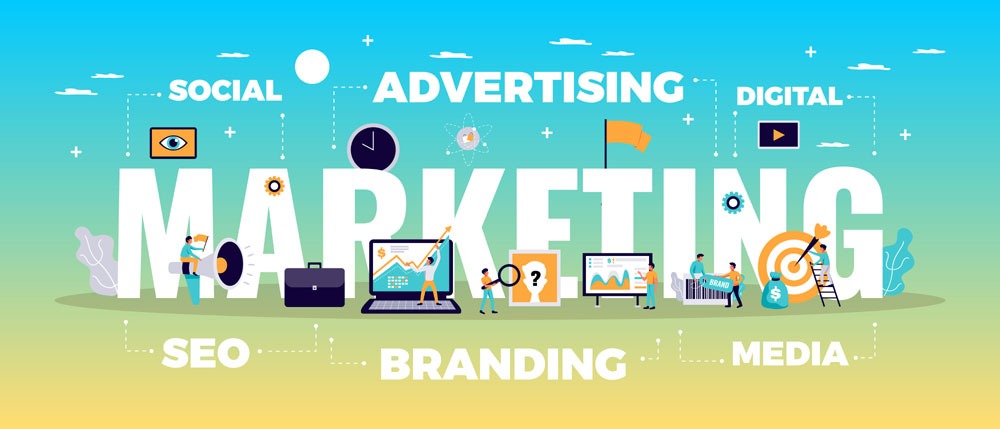
Digital Marketing Vs Social Media Marketing
Digital marketing encompasses a broad range of online tactics to promote a product or service. It includes activities like search engine optimization (SEO), email marketing, content marketing, and pay-per-click advertising. Digital marketing is like the big umbrella that covers various online strategies.
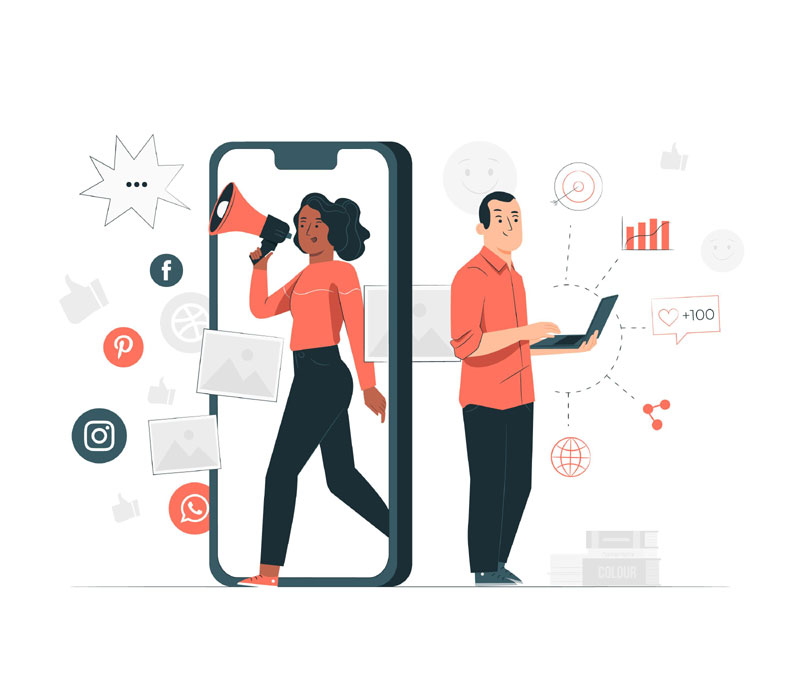
On the other hand, social media marketing is a specific subset of digital marketing that focuses on using social platforms like Facebook, Instagram, and Twitter to reach and engage with the target audience. It involves creating content, running ads, and interacting with followers to build brand awareness and drive sales.
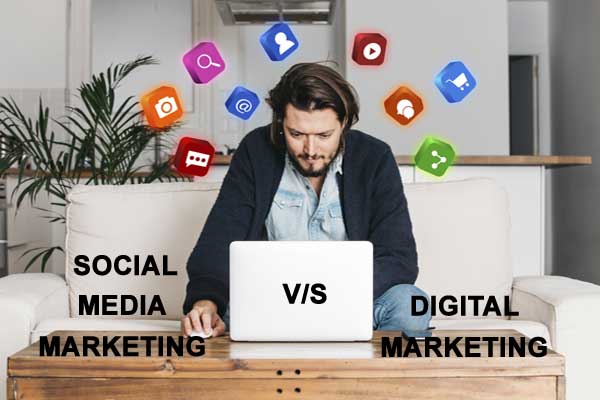
In summary of Digital Marketing Vs Social Media Marketing, digital marketing is the larger strategy, while social media marketing is a specific element within it, primarily centered around social networks. Both are essential for a comprehensive online marketing approach, but they serve different purposes.
Understanding Digital Marketing
The Versatility of Digital Marketing
Digital marketing is a flexible approach, including various strategies like search engine optimization (SEO), content marketing, email marketing, and pay-per-click advertising. Its adaptability allows businesses to tailor their approach to their unique needs.
SEO: The Backbone of Digital Marketing
Delve deeper into SEO, a crucial aspect of digital marketing. We will discuss the significance of organic search rankings, keywords, and how it can improve your online presence.
Content Creation Matters
Explore the world of content marketing. Learn how creating valuable and informative content can attract and retain customers, ultimately boosting sales.
Exploring Social Media Marketing
The Influence of Social Media
Social media marketing uses platforms like Facebook, Twitter, Instagram, and LinkedIn to connect with an audience. Find out how these platforms can help businesses establish their brand and interact with customers.
The Power of Visual Content
Visual content, like images and videos, has become a vital part of social media marketing. This section will discuss the impact of visual storytelling on social platforms.
Engaging with the Audience
Discover the art of engaging with your audience on social media. We’ll discuss the importance of two-way communication, responding to feedback, and fostering a loyal community.
Comparing ROI and Analytics
Measuring Success in Digital Marketing
Discuss the various tools and metrics used to measure the return on investment (ROI) in digital marketing campaigns. Understand how data-driven decisions can enhance your marketing strategies.
Analyzing Social Media ROI
Explore the unique challenges and advantages of measuring ROI in social media marketing. Learn how to track engagement, conversions, and brand loyalty on these platforms.
Tailoring Your Marketing Approach
Defining Your Marketing Goals
Understanding the importance of setting clear objectives for your marketing campaigns. We’ll discuss how Digital Marketing Vs Social Media Marketing can align with your business goals.
The Hybrid Approach
Discover the advantages of combining digital marketing and social media marketing to create a comprehensive marketing strategy.

The Case for Digital Marketing
Why Choose Digital Marketing?
Digital marketing offers a wide array of tools and strategies that can be customized to fit your business needs. This approach can be particularly cost-effective for businesses with a well-defined target audience.
Digital marketing includes techniques like SEO, content marketing, email marketing, and pay-per-click advertising. These strategies allow you to fine-tune your marketing efforts based on your goals and budget.
The Power of SEO
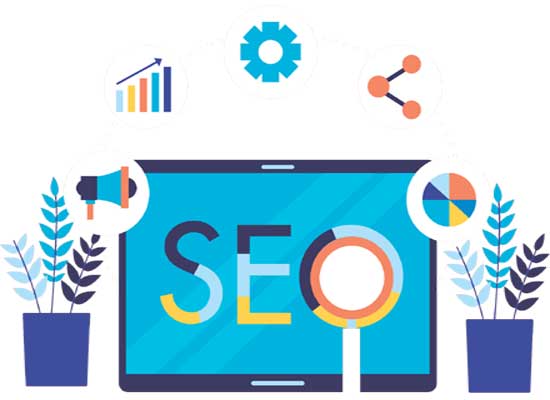
Search engine optimization (SEO) plays a pivotal role in digital marketing. It involves optimizing your online content to rank higher on search engine results pages. This means that potential customers are more likely to discover your website when they search for related keywords.
Effective SEO involves keyword research, on-page optimization, and link building. By investing in SEO, you can enhance your online visibility, attract more organic traffic, and increase your chances of conversion.
Content Is Key
Content marketing is another cornerstone of digital marketing. It revolves around creating valuable, informative, and engaging content that resonates with your target audience.
Quality content not only helps you attract potential customers but also keeps them engaged and informed. Whether it’s blog posts, articles, or videos, content marketing helps build trust and authority in your industry.
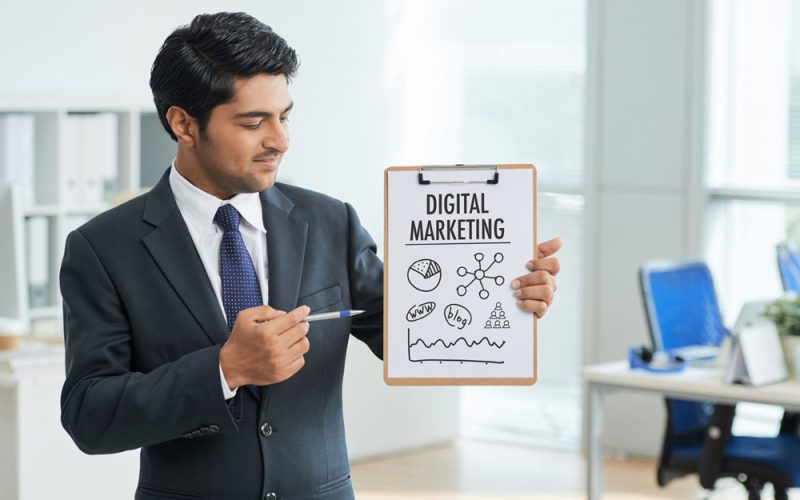
Analyzing the Digital Marketing ROI
Digital marketing offers a clear advantage when it comes to tracking ROI. Various tools and metrics allow you to measure the success of your campaigns with precision. Here are some key aspects to consider:
Website Traffic
You can track the number of visitors to your website and monitor their behavior. Analyzing this data can provide insights into the effectiveness of your marketing strategies.
Conversion Rates
Conversion tracking helps you determine how many visitors take a desired action on your site, such as making a purchase or filling out a contact form. By understanding conversion rates, you can optimize your content and user experience to improve results.
Revenue Increase
The ultimate goal of marketing is to boost revenue. Digital marketing allows you to measure the direct impact of your strategies on your bottom line. By analyzing the increase in revenue attributable to your marketing efforts, you can make informed decisions about budget allocation.
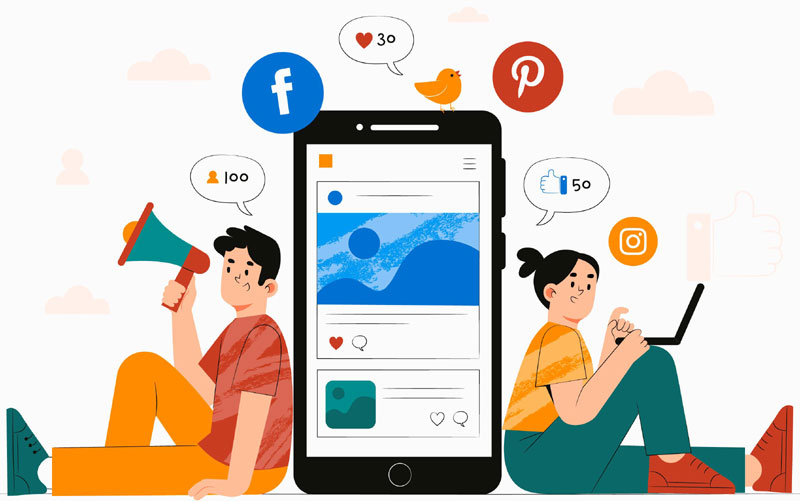
The Case for Social Media Marketing
Why Choose Social Media Marketing?
Social media marketing is a powerful tool for building brand awareness and engaging with your audience. It leverages platforms like Facebook, Twitter, Instagram, and LinkedIn to create a direct connection with potential customers.
One of the primary advantages of social media marketing is its ability to foster two-way communication. You can respond to feedback, address customer concerns, and create a loyal community around your brand.
The Visual Impact
Visual content is king on social media. Images, videos, and infographics are highly shareable and engaging. Using visual storytelling can help your brand stand out and connect with a broader audience.
Building Brand Loyalty
Social media is an excellent platform for building brand loyalty. Regular interaction with your audience, sharing valuable content, and providing exceptional customer service can turn casual followers into loyal advocates of your brand.
Analyzing Social Media ROI
Measuring ROI in social media marketing can be more complex than in digital marketing. However, it offers unique advantages:
Engagement Metrics
Social media provides a wealth of engagement metrics, such as likes, comments, shares, and click-through rates. These metrics help you gauge the impact of your social media efforts and understand what content resonates with your audience.
Conversions and Lead Generation
While social media is often more about building relationships and trust, it can also drive conversions and lead generation. By tracking conversion events, such as sign-ups or downloads, you can measure the ROI of your social media campaigns.
Brand Loyalty
Brand loyalty is a valuable, long-term indicator of the success of your social media efforts. Track customer retention, repeat purchases, and user-generated content to understand how loyal your audience is.
Tailoring Your Marketing Approach
Defining Your Marketing Goals
Before deciding between Digital Marketing Vs Social Media Marketing, it’s crucial to define your marketing goals. Your goals will drive your strategy.
Digital Marketing Goals
If your primary goal is to increase website traffic, generate leads, and improve conversion rates, digital marketing may be the right choice.
Businesses looking to boost online visibility and establish authority in their industry can benefit from effective SEO and content marketing.
Social Media Marketing Goals
If your goal is to create a strong brand presence, foster community engagement, and build brand loyalty, social media marketing is your go-to approach.
Social media marketing excels in visual content and two-way communication, making it ideal for those looking to connect directly with their audience.
The Hybrid Approach
In some cases, the most effective strategy might be a combination of Digital Marketing Vs Social Media Marketing. By harnessing the strengths of both approaches, you can create a comprehensive marketing strategy that maximizes your online presence and engages your target audience effectively.
Conclusion
Choosing between Digital Marketing Vs Social Media Marketing isn’t a one-size-fits-all decision. The right choice depends on your specific goals, target audience, and budget. Both approaches offer distinct advantages, with digital marketing excelling in precise measurement and cost-effectiveness, while social media marketing focuses on building brand loyalty and audience engagement. In many cases, combining these approaches can be the key to a successful online presence.

FAQ'S
The cost-effectiveness depends on your goals. Digital marketing allows precise budget control, while social media marketing can provide organic reach without extra ad spending.
Social media marketing can benefit most businesses, but its success relies on your target audience and content strategy.
Success can be measured through website traffic, conversion rates, and revenue increase. Various analytics tools are available to assist in this process.
No, it also involves community management, responding to comments, and leveraging user-generated content.
Starting with a combination of digital marketing and organic social media efforts can be cost-effective for small businesses.
Dont Hesitate To Contact Us
If your question’s missing, what should you do? Just ask us