

Gen Alpha Doesn’t Click Ads! So How Do You Reach Them?
Gen Alpha Doesn’t Click Ads! So How Do You Reach Them?
Best Digital Web
April 24, 2026
Blog
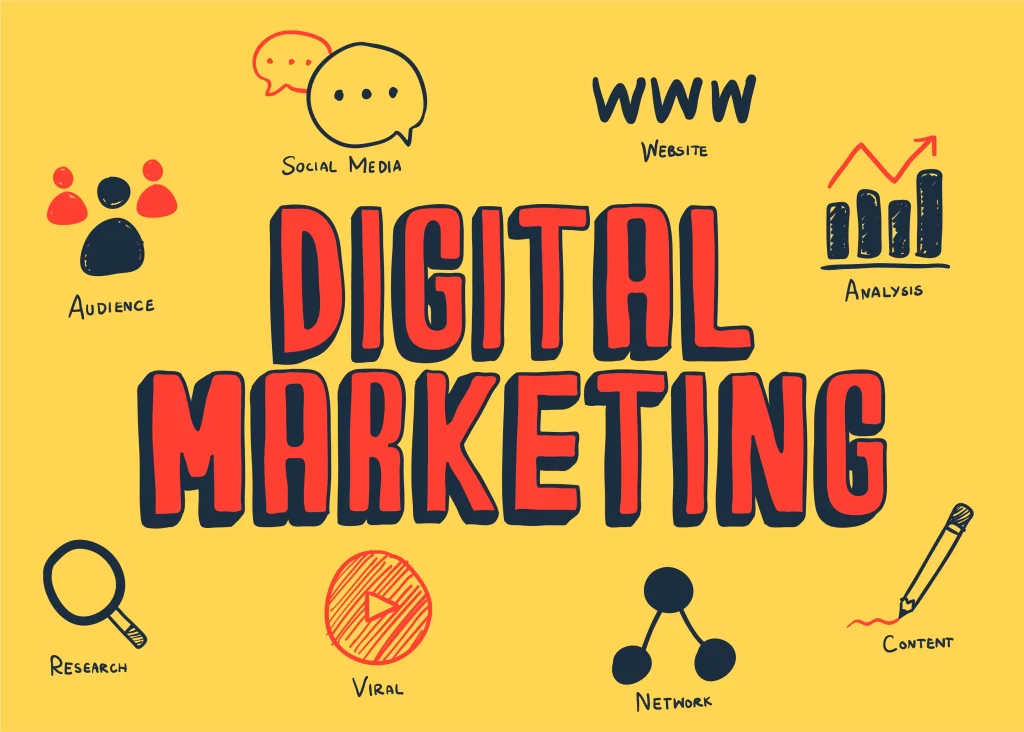
The Reality of the Digital Marketing Future
Something fundamental has changed in marketing, and most brands have not fully understood it yet.
For years, digital marketing was built on a simple assumption. If you put the right ad in front of the right person, they will eventually click. That logic worked for Millennials and even Gen Z to some extent. But Gen Alpha has completely broken this pattern.
They do not click ads. They do not trust polished campaigns. They do not respond to traditional persuasion tactics.
Instead, they scroll past, skip instantly, or ignore it entirely.
This is not a temporary shift. This is the foundation of the digital marketing future.
So the real question is not how to improve ads. The real question is how to stay visible in a world where ads are no longer the center of attention.
Who is Gen Alpha and Why They Are Redefining Marketing
Gen Alpha includes individuals born after 2010. They are the first generation to grow up entirely in a world of smartphones, high speed internet, artificial intelligence, and algorithm driven content.
They did not learn digital behavior. They were born into it.
By the age of five, many of them already know how to navigate video platforms, skip content they do not like, and find what they want without guidance. This creates a completely different mindset compared to previous generations.
More importantly, their influence is massive. Even though many of them are still young, they already impact household decisions such as education, entertainment, food choices, and even technology purchases. Studies suggest that Gen Alpha will contribute to trillions in global spending power in the coming years.
This means brands are not just marketing to future consumers. They are already dealing with active decision influencers.
Why Traditional Digital Advertising is Losing Its Power
To understand the digital marketing future, you need to understand why traditional ads are failing.
The issue is not that ads exist. The issue is that Gen Alpha has developed an automatic filtering system.
They are exposed to content at such a high frequency that they instantly categorize what is worth their attention and what is not.
Anything that feels like an interruption gets ignored.
Anything that feels like a forced message gets skipped.
Anything that looks like a typical advertisement loses credibility.
This behavior is driven by three key factors.
First, attention spans are shorter but sharper. They do not spend less time on content. They simply decide faster.
Second, they value control. They want to choose what they consume instead of being told what to watch.
Third, they are highly intuitive. They can quickly identify when something is trying to sell to them.
Because of this, traditional formats such as banner ads, pop ups, and even many video ads are becoming less effective.
This is not a minor trend. This is a structural change in how attention works.
The Shift from Advertising to Experience
If ads are losing effectiveness, what is replacing them
The answer lies in experience.
The digital marketing future is not about pushing messages. It is about creating environments where users choose to engage.
Gen Alpha does not separate content and marketing the way older generations did. For them, everything is content. If it is interesting, they engage. If it is not, they move on.
This creates a new rule for marketers.
You are no longer competing with other brands. You are competing with entertainment.
This is why short form videos, interactive content, and creator driven storytelling are becoming dominant. They do not feel like ads. They feel like experiences.
The brands that succeed are not the ones with the biggest budgets. They are the ones that understand how to blend into the content ecosystem.
Current Trends Shaping the Digital Marketing Future
Artificial Intelligence and Personalization
Artificial intelligence is no longer a supporting tool. It is becoming the backbone of digital marketing.
Personalization is the key driver here. Users now expect content that is tailored to their behavior, preferences, and interests.
Streaming platforms, learning apps, and social media feeds have trained users to expect highly relevant recommendations. Generic messaging no longer works.
In the near future, most marketing interactions will be dynamically generated based on user data. This means two users may never see the same version of a campaign.
For Gen Alpha, personalization is not impressive. It is expected.
The Rise of Creator Led Marketing
One of the biggest shifts in the digital marketing future is the rise of creators.
Gen Alpha trusts individuals more than institutions. They connect with personalities, not logos.
Creators feel authentic because they communicate in a natural and relatable way. Their content blends seamlessly into the platforms Gen Alpha already uses.
This makes creator collaborations far more effective than traditional brand advertisements.
It is not about endorsement anymore. It is about integration. The product becomes part of the story rather than the focus of the message.
Interactive and Gamified Content
Gen Alpha has grown up with games as a primary form of engagement. This has influenced how they interact with content.
They prefer participation over observation.
This is why gamification is becoming a critical part of digital marketing. Quizzes, challenges, rewards, and interactive formats keep users engaged for longer periods.
The goal is no longer to deliver a message. The goal is to create an experience where the user becomes part of the journey.
This shift increases engagement, retention, and emotional connection with the brand.
Immersive Technologies Such as AR and VR
Augmented reality and virtual reality are transforming how products and services are experienced.
Instead of telling users about a product, brands can now show it in an interactive environment.
Users can try products virtually, explore digital spaces, and engage with content in a more immersive way.
For Gen Alpha, this is not futuristic. This is the expected direction of digital interaction.
As these technologies become more accessible, they will play a major role in shaping the digital marketing future.
Privacy and Ethical Marketing
Another important shift is the growing focus on privacy.
Gen Alpha is growing up in a world where data awareness is increasing. Parents are more cautious, and regulations are becoming stricter.
This means brands need to be transparent about how they collect and use data.
Trust will become one of the most valuable assets in digital marketing.
Brands that prioritize ethical practices and clear communication will have a long term advantage.
The Future Scope of Digital Marketing
The digital marketing future is not just about new tools. It is about a complete transformation of strategy.
Artificial intelligence will automate a large portion of campaign management, content creation, and data analysis.
Search behavior will continue to evolve, with more users relying on social platforms and AI driven recommendations instead of traditional search engines.
Content will become more dynamic, more personalized, and more integrated into everyday digital experiences.
Marketing will become less about campaigns and more about continuous engagement.
This means brands will need to operate like media companies, constantly creating and distributing content that adds value to their audience.
How Digital Marketing Will Look for Gen Alpha
To understand the future clearly, imagine this scenario.
A user opens a platform. The content they see is completely personalized. The products they discover are introduced through creators they already follow. The experience feels natural, not forced.
There are no obvious ads. There are only interactions.
This is the direction the digital marketing future is moving toward.
For Gen Alpha, marketing will not feel like marketing. It will feel like part of their daily digital experience.
Future Technologies That Will Shape Marketing
Several technologies will define the next phase of digital marketing.
Artificial intelligence will drive decision making and personalization at scale.
Voice and conversational interfaces will change how users interact with brands.
Augmented reality will enhance product discovery and engagement.
Blockchain may introduce more transparency and control over data.
These technologies will not work in isolation. They will combine to create a more intelligent and responsive marketing ecosystem.
Job Opportunities in the Digital Marketing Future
As the industry evolves, job roles will also change.
There will be a growing demand for professionals who understand both creativity and technology.
Roles such as AI marketing specialists, data strategists, experience designers, and community managers will become more important.
At the same time, repetitive and manual roles will decline due to automation.
This does not mean fewer opportunities. It means different opportunities.
The focus will shift toward strategic thinking, creative execution, and technological understanding.
How Brands Can Actually Reach Gen Alpha
Reaching Gen Alpha requires a completely different mindset.
Brands need to stop thinking like advertisers and start thinking like creators.
Content should be designed to engage, not interrupt.
Experiences should be built to involve the user, not just inform them.
Authenticity should be prioritized over perfection.
Community building should become a core strategy instead of an afterthought.
Most importantly, brands need to understand that attention is no longer something you can buy. It is something you have to earn.
The Core Truth of the Digital Marketing Future
The biggest mistake brands can make is assuming that better ads will solve the problem.
The reality is that the concept of advertising itself is evolving.
Gen Alpha does not reject brands. They reject anything that does not add value to their experience.
This is why the digital marketing future belongs to those who can create meaningful, engaging, and authentic interactions.
Conclusion
Gen Alpha is not just another audience segment. They represent a fundamental shift in how digital engagement works.
They are shaping a world where marketing is no longer about visibility alone. It is about relevance, experience, and connection.
The brands that adapt to this shift will not only survive but grow stronger.
The ones that do not will slowly disappear from attention.
The digital marketing future is already here. The only question is whether you are ready to adapt to it.
Dont Hesitate To Contact Us
If your question’s missing, what should you do? Just ask us